
Winter Dog Breeds – Cold Weather Canine Companions | Art-Dogs
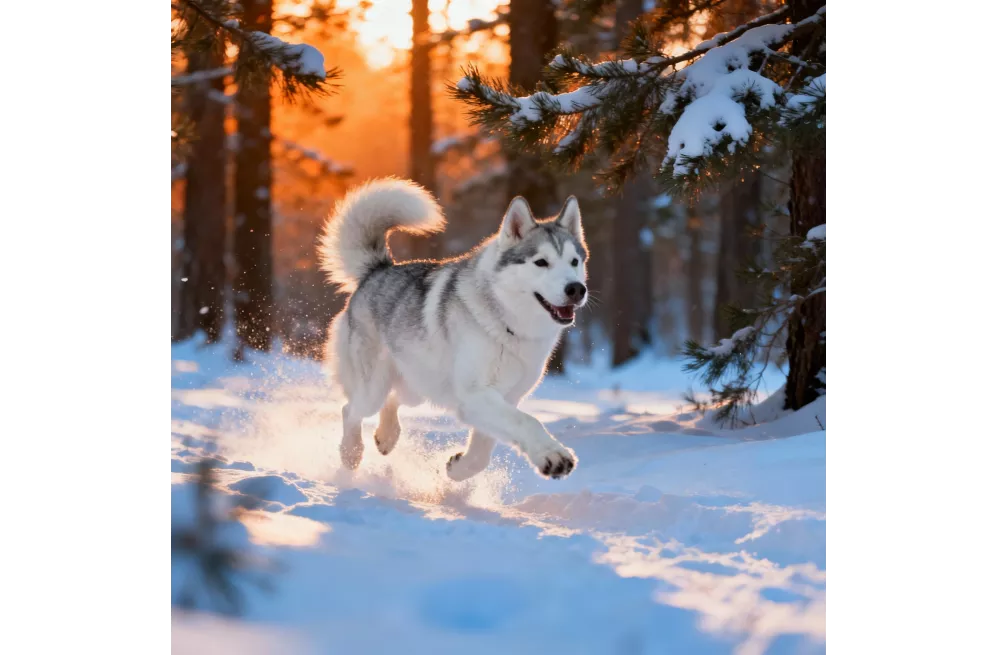
Discover the top winter dog breeds that thrive in freezing temperatures, learn how to care for cold weather dog breeds, and find the best winter dog accessories.
As the first snowflakes begin to fall and temperatures dip below freezing, many dog owners wonder which canine companions truly thrive in frost and ice. Unlike breeds that prefer warmth and sunshine, winter dog breeds possess a unique set of physiological and behavioral adaptations that allow them to flourish in cold weather. In this extensive guide, you will learn about the defining characteristics of these cold weather dog breeds, discover which dog breeds love snow more than anything else, understand how to care for winter dog breeds, and find the perfect winter dog accessories—from dog boots for snow to heated dog beds that provide comfort during frigid nights.
The hallmark of all extreme cold climate dogs is a double coat designed to maximize insulation. Beneath a protective outer coat lies a dense undercoat that traps warm air close to the skin, forming a natural barrier against the harshest elements. This insulated dog fur, combined with compact body shapes, smaller extremities, and sturdy paw pads, ensures that your pet can romp in snowdrifts, pull sleds across frozen lakes, and accompany you on icy hikes without suffering from frostbite or hypothermia. High basal metabolic rates in Arctic dog breeds further support rapid heat production, making them ideal partners for any snow adventure.
Among the most popular snow dog breeds, the Siberian Husky stands out for its striking appearance and legendary endurance. Famous as a sled dog breed, Huskies display an eagerness to run, pulling loaded sleds over long distances in subzero winds. With piercing blue or multi-colored eyes and a thick coat that repels moisture, they can spend hours outside in temperatures well below zero. To maintain their coat’s insulating properties, regular brushing is essential, especially during seasonal shedding. Providing opportunities for vigorous exercise—at least two hours daily—helps stave off destructive behavior born of boredom and pent-up energy.
Another quintessential example of a winter dog breed is the Alaskan Malamute, a heavy-built workhorse originally bred by the Inuit for hauling heavy loads. Weighing up to forty kilograms and standing nearly seventy centimeters tall at the shoulder, Malamutes combine exceptional strength with a calm, dignified demeanor. Their water-repellent outer coat and insulating undercoat enable them to endure sleet and snow, but their paws may need protection with dog boots for snow when the ground is studded with ice crystals. Diets rich in high-quality fats and proteins support their muscular frame and high activity levels, while heated dog beds offer a warm retreat after a long day of play.
The Samoyed, another acclaimed arctic dog breed, dazzles admirers with its bright white fur and “smiling” expression. Bred by the Samoyedic peoples of Siberia for herding reindeer and pulling light loads, Samoyeds remain friendly, sociable, and highly intelligent. Their plush double decker coat needs frequent grooming to prevent matting and maintain optimum insulation. Interactive toys and snow-friendly games help stimulate these energetic dogs, while insulated shelters or heated dog beds ensure they can rest comfortably when temperatures plunge.
In the Alps, the Saint Bernard earned its reputation as a lifesaver in mountain rescues. This giant, gentle giant stands over eighty centimeters tall, often tipping the scales well beyond seventy kilograms. Saint Bernards are cold climate dogs par excellence, with a dense coat that repels moisture. After working tirelessly in snowdrifts and blizzards, they appreciate having a warm, dry resting place and snow gear that helps them navigate icy terrain. Despite their size, Saint Bernards possess a calm temperament that makes them excellent family pets, adept at comforting loved ones with their stoic presence.
Originating in the Swiss mountains as herding dogs, Bernese Mountain Dogs combine a tricolor coat with a sturdy build that resists cold. Their affectionate nature and natural guarding instincts have made them popular winter companions. Regular brushing and occasional protective booties can protect their paws during long winter walks. When the ground is covered in snow, snow dog breeds like these excel at pulling small carts, turning everyday strolls into delightful work and play sessions.
Beyond these headline examples, lesser-known northern dog breeds such as the Greenland Dog, Canadian Eskimo Dog, Siberian Laika, and Finnish Lapphund each bring unique qualities to the winter scene. Greenland Dogs, for instance, carry a denser undercoat that allows them to stand sub-Arctic temperatures unassisted. The Finnish Lapphund, though smaller, sports one of the fluffiest double coats in the canine kingdom and was historically used for herding reindeer under auroras. Each of these northern dog breeds offers a blend of resilience, loyalty, and a hearty appetite for winter.
Caring for cold weather dog breeds requires adjustments that differ significantly from those for summer-loving dogs. Nutritional needs shift toward a higher calorie intake, with specialized diets containing 25–30 percent protein and 15–20 percent fat to fuel the increased metabolic demands. Ensuring a constant supply of fresh, unfrozen water prevents dehydration. When it comes to grooming, brushing a winter coat at least three times a week reduces loose hair and prevents matting, while hypoallergenic, moisturizing shampoos protect sensitive skin. After excursions in wet snow, it is wise to towel-dry your dog thoroughly before allowing it to return indoors or to a heated shelter. Maintaining paw health is equally important: applications of paw wax or dog boots for snow protect against ice cut-ins and salt burn.
Active play remains vital for mental and physical well-being, even when temperatures plunge. Harnessing dogs for sled runs, organizing treks through snow-covered forests, or engaging in fetch games with snowballs helps stimulate their natural instincts and maintain lean muscle mass. Interactive puzzle toys, especially those that can be frozen, provide enrichment when weather conditions prevent outdoor times. Monitoring your dog’s behavior for signs of cold stress—shivering, reluctance to move, or lifting paws off the ground—enables you to respond quickly with warmth and rest.
To complement the unique needs of these breeds, Art-Dogs offers a curated selection of winter dog accessories designed for performance and style. Heated dog beds with adjustable thermostats ensure your pet stays warm without overheating. Dog coats for cold weather come in reflective, water-resistant fabrics and insulated linings, while durable dog boots for snow feature non-slip soles and secure fasteners. Cozy winter collars and harnesses resist moisture and hasten drying. For those who appreciate artisan craftsmanship, Art-Dogs provides personalized collars engraved with names, handcrafted figurines of favorite snow dog breeds, and themed keychains and jewelry that celebrate your dog’s heritage.
Selecting the right winter dog breed involves thoughtful consideration of your lifestyle, living environment, and willingness to meet the demands of a high-energy, cold-tolerant companion. While a Siberian Husky may be ideal for an active owner with ample outdoor space, a Finnish Lapphund can suit individuals in urban settings seeking manageable size with robust winter performance. Adopting any of these cold weather dog breeds means committing to consistent training, socialization, and health monitoring, but in return, you gain a loyal friend who revels in snowdrifts and icy breezes.
Ultimately, winter dog breeds are not just survivors of the cold—they thrive in it. Their joyful exuberance in snow, coupled with unmatched hardiness, creates an experience that few other pets can offer. From morning jogs through fresh powder to evenings cuddled on a heated bed, these dogs bring unparalleled companionship to those willing to embrace the chill. Whether you live in a snowy region or simply crave a dog that loves snow, exploring the world of winter dog breeds opens up a wintry wonderland of adventure, devotion, and spirited play.
In Same Category
- Dog Portraits – Art That Warms Modern Interiors | Art-Dog
- Minimalist Dog Portraits – The Art of Simplicity by Art-Dog
- Dog Coat Colors and Expressions in Art – Emotion Through Detail
- Horse portrait in the living room – elegance and passion in interiors | Art-Dog
- Animal chic: Elegant animal motifs for stylish interiors – inspiration from Art-Dog
Comments
Leave your comment